Loupiac G, Andriambelo B, Avila-Lopez J, Vachon A, Avino M, Ahumada JR, Miard S, Picard F, Qiu Y, Kurland IJ, Laurent B, and Plourde M. (2025). The lipidome of the lateral ventricle choroid plexus exhibits sex-specific changes across aging. Journal of Neurochemistry
Aging results in an incredible number of changes in the human body, from organ function to cellular composition. Aging is the most significant risk factor for many neurodegenerative diseases, in part because it results in reduced brain volume, protein, phospholipids, and cholesterol, as well as reduced cerebral spinal fluid (CSF) volume and renewal of CSF. CSF is produced and secreted by specialized epithelial cells in each brain ventricle and these cells make up the choroid plexus. The main site of CSF production is the lateral ventricle choroid plexus (LVCP) therefore this is the area that has been of interest in aging. In particular, it is known that changes to the lipidome of the LVCP will alter the characteristics of its membrane. Lipids have many important roles including membrane structure and fluidity, regulating inflammation and oxidative stress, and in cellular homeostasis. Loupiac et al were interested in how the lipidome is changed and if production of pro-inflammatory mediators is favoured in the LVCP during aging.
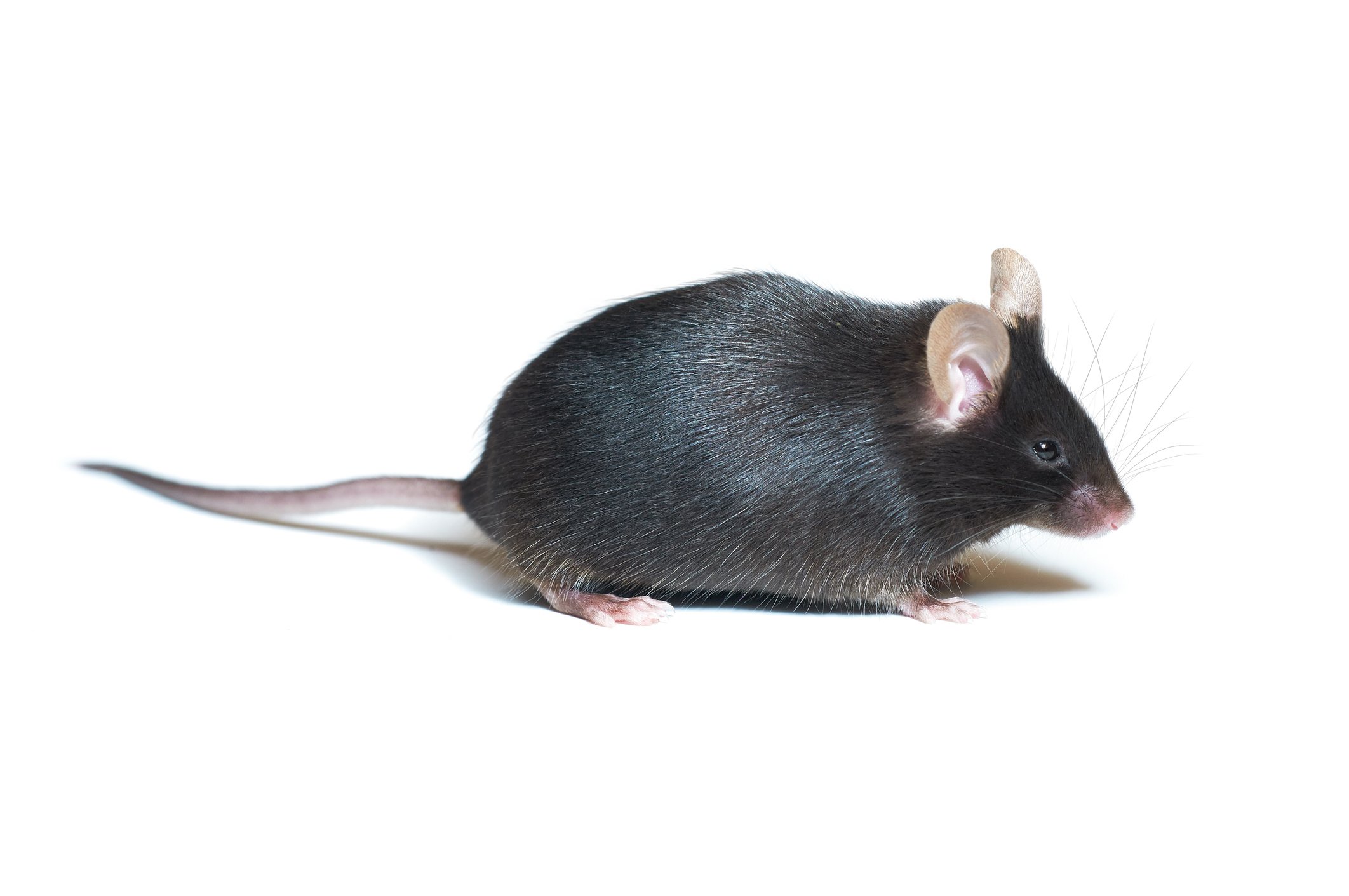
To perform this work, male and female C57BL/6J mice were aged to 6, 12, 18, and 24 months to compare to approximately 25, 40, 55, and 75 years in humans. Lipidomic analysis was used to investigate what lipid changes occur across age in these animals. One hundred eighty-eight lipid species were examined between lysophosphatidylcholines, lysophosphatidylethanolamines, phosphatidylcholines (PC), phosphatidylethanolamines (PE), plasmanylPC, plasmanylPE, plasmenylPC, plasmenylPE, and sphingomyelins. There were nine lipids that showed age-related differences in males while nineteen differences were found in females. In 24-month-old males, seven species that were significantly elevated contained an omega-6 fatty acid. However, in females most lipid changes occurred in the 18-month-old animals where seven lipids were found to be lower and four were found to be higher. Those that lowered contained omega-3 fatty acids (EPA or DHA) and two that were higher contained ARA and two were sphingolipids. As well, of the lipids that were altered in 24-month-old females, four contained omega-6 fatty acids and two contained omega 3-fatty acids. An additional two lipid species with omega-6 had lower concentrations in the female mice. In both males and females, most of the altered lipids were alkyl ethers or plasmalogens which have essential roles in membrane structure and function and cell signaling. Interestingly, very few differences were seen when lipid levels were tested across these ages in frontal cortex samples, which suggests that the LVCP is a dynamically regulated tissue that experiences age-associated remodeling, while other brain regions do not.
Since many lipid alterations in the LVCP were related to plasmalogens, the authors were interested in whether lipid mediators were influenced by age and sex, therefore they examined 143 lipid mediators. In the LVCP of female mice 9-hydroxyoctadecadienoic (HODE), 13-HODE, 9(10)-epoxy-octadecenoic acid (EpOME), and 12(13)-EpOME were significantly increased in 6 month and 12 month females compared to the older groups. No differences were seen in males, nor in the cortex of females or males. These findings did not support their hypothesis that aging would result in higher levels of pro-inflammatory mediators since they were not found to increase with age in any of the groups.
The global population is aging quickly, with 10% of the population being over 65 years of age in 2024 and is expected to reach 21% by 2074. Aging is the greatest risk factor for a number of neurodegenerative diseases and as a greater proportion of the population gets older, we will need to be more prepared to prevent and treat age-related diseases. Loupiac et al were interested in how the lipidome of the LVCP is altered in age and whether age also influences the generation of pro-inflammatory mediators. They demonstrated that there are sex-specific changes that occur with age in the LVCP and that this is specific to this tissue. Interestingly, they did not show an increased production of lipid mediators in their samples. Further work looking at how the lipidome, and in particular plasmalogens, are altered as we age could provide answers about the mechanisms for these changes and elucidate how to prevent them from occurring.