A Pex7 deficient mouse series correlates biochemical and neurobehavioral markers to genotype severity – Implications for the disease spectrum of rhizomelic chondrodysplasia punctata Type 1
Fallatah W, Cui W, Di Pietro E, Carter Gt, Pounder B, Dorninger F, Pifl C, Moser AB, Berger J, and Braverman NE. (2022) A Pex7 deficient mouse series correlates biochemical and neurobehavioral markers to genotype severity – Implications for the disease spectrum of rhizomelic chondrodysplasia punctata Type 1. Frontiers in Cell and Developmental Biology
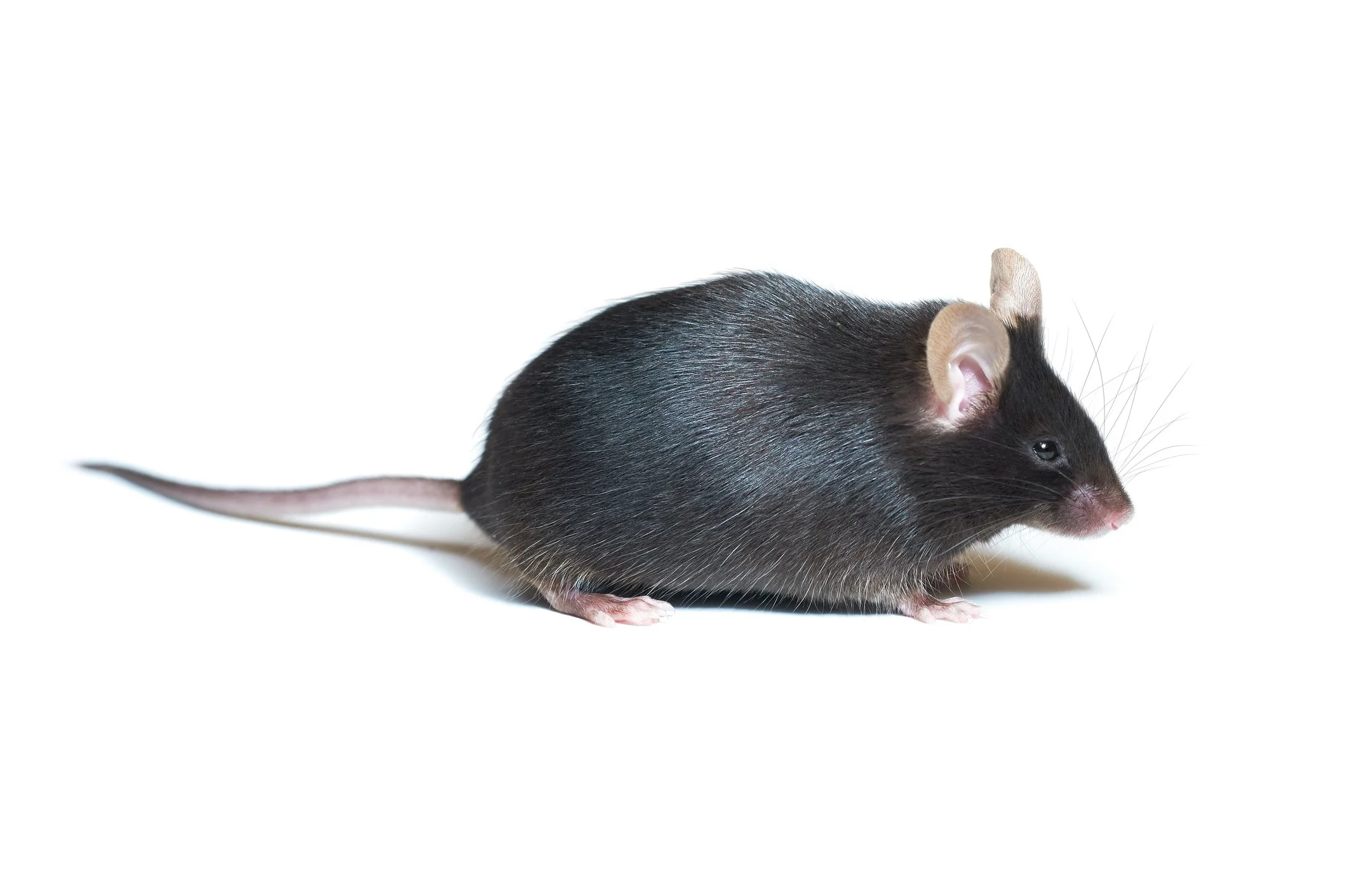
Rhizomelic chondrodysplasia punctata (RCDP) is a class of ultra-rare genetic disorders caused by an inability to synthesize plasmlaogens, a type of phospholipid that contains a vinyl-ether bond at the sn-1 position. These disorders are separated into types depending on the specific enzyme in the plasmalogen biosynthetic pathway that is affected. The most common form of RCDP is type 1, caused by a peroxisomal biogenesis factor 7 (Pex7) mutation. RCDP can further be separated into a classic or non-classic distinction based on severity of the disorder and this is directly associated with the degree of plasmalogen deficiency. Classic RCDP is more severe and is characterized by nearly undetectable plasmalogen levels, congenital cataracts, skeletal dysplasia, growth deficits, neurodevelopmental deficits, and cerebellar atrophy. People with non-classic RCDP have reduced levels of plasmalogens, but better growth and development outcomes than classic RCDP. Fallatah et al were interested in evaluating the pathophysiology of RCDP and used Pex7 mouse models to compare disease states across the allelic series.
A hypomorphic Pex7 mouse model was used to make an allelic series consisting of animals homozygous for the hypomorphic (a partial loss of gene function) allele (Pex7hypo/hypo), compound heterozygous for the hypomorphic and null alleles (Pex7hypo/null), or homozygous for the null allele (Pex7null/null). This series of animals was used to examine the phenotypic spectrum of RCDP using animals with differing levels of PEX7 activity based on their genotype and protein level. To confirm Pex7 transcript levels, quantitative RT-PCR was utilized in several tissues including cerebral cortex, cerebellum, liver, lung, and kidney. The Pex7hypo/hypo were 0.394 ± 0.3% of wild-type levels and Pex7hypo/null were 0.174 ± 0.1% of wild-type levels, while the Pex7null/null had no transcript detected in the tissues. When PEX7 protein levels were analyzed using immunoblots on brain tissue, PEX7 could not be detected in Pex7hypo/null or Pex7null/null animals, but with increased protein quantity and exposure time, it was able to be detected in Pex7hypo/hypo mice. These results indicate that the homozygous hypomorphic animals showed a reduction in transcript and protein compared to the wild-type animals, and this progressively reduced more with the addition of null alleles with the homozygous null animals having undetectable levels of both. Plasmalogen levels were also measured in plasma, erythrocytes, and tissues from the mice using LC-MS/MS. Plasma showed a reduction in the three models compared to wild-type mice, with 40% of wildtype levels seen in Pex7hypo/hypo, 30% of wild-type levels seen in Pex7hypo/null, and 5-15% found in Pex7null/null. Tissues showed similar trends with total plasmalogens being ~50% or less in the cerebral cortex, cerebellum, and liver in Pex7hypo/hypo, 20-30% of wildtype found in Pex7hypo/null, and Pex7null/null having undetectable levels.
To determine if these genotypes correlate with a phenotypic response, survival rate and weight gain were investigated. Survival was found to correlate with genotype with Pex7hypo/hypo mice having 100% survival rate and Pex7hypo/null having 91.2% survival rate over 150 days, while Pex7null/null animals demonstrated a severe drop at only 22.7% survival after 21 days. Of the Pex7null/null mice, 45% died within the first 3 days and 32% died before weaning. When weight gain was analyzed, Pex7hypo/hypo mice weighed 70-80% and Pex7hypo/null weighed 67-78% of wild-type mice. The Pex7null/null mice weighed only 47-53% of the wild-type controls.
Fallatah et al produced several Pex7 hypomorphic mouse models using an allelic series to demonstrate the spectrum of RCDP type 1 phenotypes. They found that the Pex7null/null animals had the most severe phenotype with no Pex7 transcript or PEX7 protein being detected in tissues, as well as only 5-15% of control plasmalogens levels. The Pex7hypo/null followed with some Pex7 transcript detected but no PEX7 protein, and 30% of control plasmalogen levels detected, while the Pex7hypo/hypo animals were least severe although still showed reduced transcript, protein, and plasmalogen levels. RCDP in humans can be separated into groups, with the classic presentation being quite severe and resulting from undetectable levels of plasmalogens and the non-classic presentation being less severe and resulting from just a reduction in plasmalogen levels compared to a person without RCDP. It is also very interesting that differences in level of Pex7 transcript and protein can have such an influence on plasmalogen level and subsequently, clinical presentation. Although Pex7hypo/hypo had 40-50% of the plasmalogen levels seen in control animals, this was enough to completely recover the reduced survival rates seen in the other two models. This work signify that plasmalogens or plasmalogen production could be targets for future RCDP treatment and that the goal would not have to be full recovery of plasmalogen levels while still able to make a significant improvement in the clinical phenotype.